
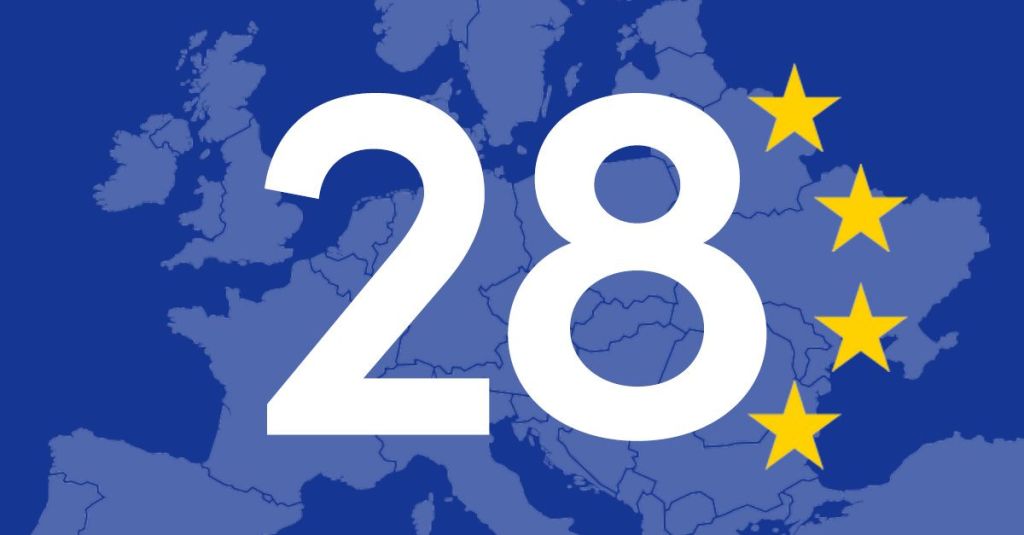
The European Union has just taken one of its most ambitious steps yet toward global competitiveness.
In response to slowing consumer spending within the EU—and the bureaucratic hurdles that continue to stifle entrepreneurship—the European Commission has introduced a new legislative proposal known as “Regime 28” sometimes referred to as EU, inc.
This initiative focuses specifically on company formation, with the goal of streamlining how businesses are established across the EU.
A Radical Shift in Company Formation
At the center of the proposal is a significant simplification of the incorporation process.
Companies could be formed in as little as 48 hours, at a cost capped at approximately €100.
In addition, the traditional requirement for minimum share capital would be abolished—a notable departure from current regulations, which often impose upfront costs ranging from €3,000 to €5,000.
Together, these changes represent a meaningful reduction in both the time and financial barriers to entry.
Full Digitalization and Structural Alignment
Another key component is the complete digitalization of the incorporation process.
This enables a closer alignment between a company’s operational activities and its legal and organizational structure from the outset.
In practical terms, this reflects a broader shift already underway:
- AI is reducing the cost of building products and services.
- This framework reduces the cost of incorporating the business entity itself.
As a result, the distance between idea and execution may be significantly compressed.
A company—or even a newly created brand—could enter the European market almost immediately, with reduced structural risk in its early stages.
A New Approach to Failure: Fast-Track Closure
Importantly, the framework does not only address how companies are created — it also addresses how they are closed. A proposed Fast-Track Closure Goal introduces a defined timeline under the EU Inc. framework to ensure that insolvent innovative start-ups can be dissolved and removed from the business register within a strictly limited period.
This reflects a deeper cultural and economic shift: lowering the cost of failure, not just the cost of entry.
In effect, it brings the EU closer to startup ecosystems where rapid iteration — including failure — is treated as part of the innovation cycle, rather than a long-term legal and financial burden.
The Open Question: Taxation
However, the question of taxation remains unresolved.
For this framework to reach its full potential, further clarity will be required through a formal European corporate law structure, codified at the regulatory level.
At present, significant tax disparities persist between EU member states.
Without greater alignment, the integration of the Single Market under a unified legal framework remains incomplete.
Toward Legal Certainty and Competitiveness
If successfully implemented, such integration could provide:
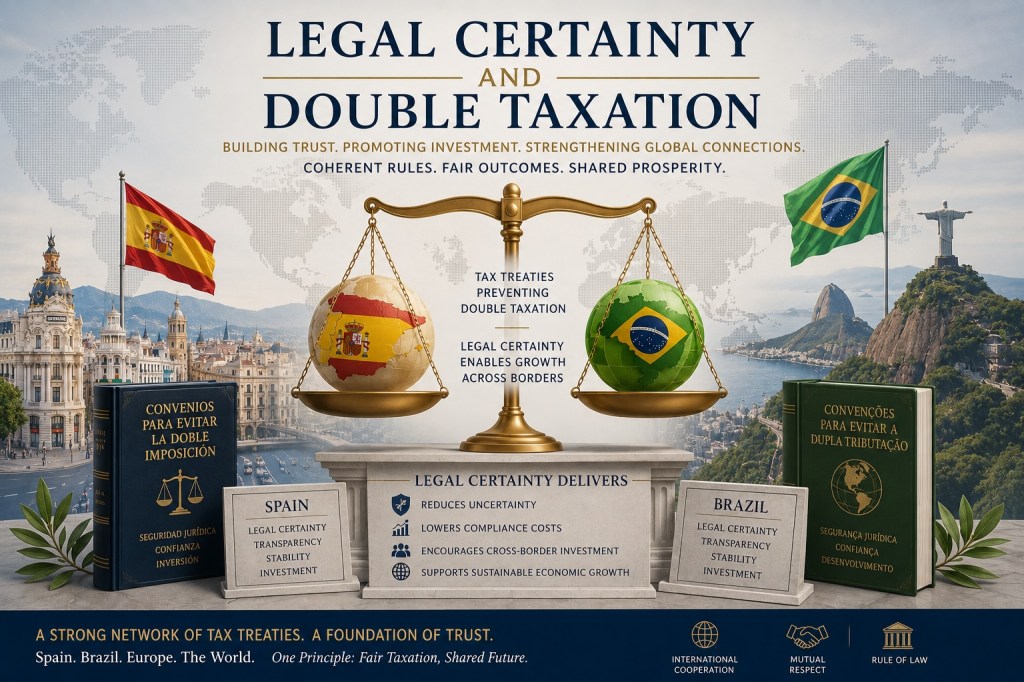
- Greater legal certainty
- Increased confidence for entrepreneurs and investors
- A more coherent foundation for company formation across the EU
Ultimately, this would represent a substantial step toward strengthening the EU’s position in the global economy.
A Potential Turning Point
This raises an important question:
Are we witnessing a true “before and after” moment for entrepreneurship in Europe?
Perhaps what we are witnessing is more than administrative reform.
The question now is whether this initiative will evolve into a fully integrated system—or remain a partial solution.
What Comes Next
In the next piece, I’ll look at how this framework could intersect with AI—especially in training and development—and why that combination could be particularly powerful inside the EU.


Deja una respuesta